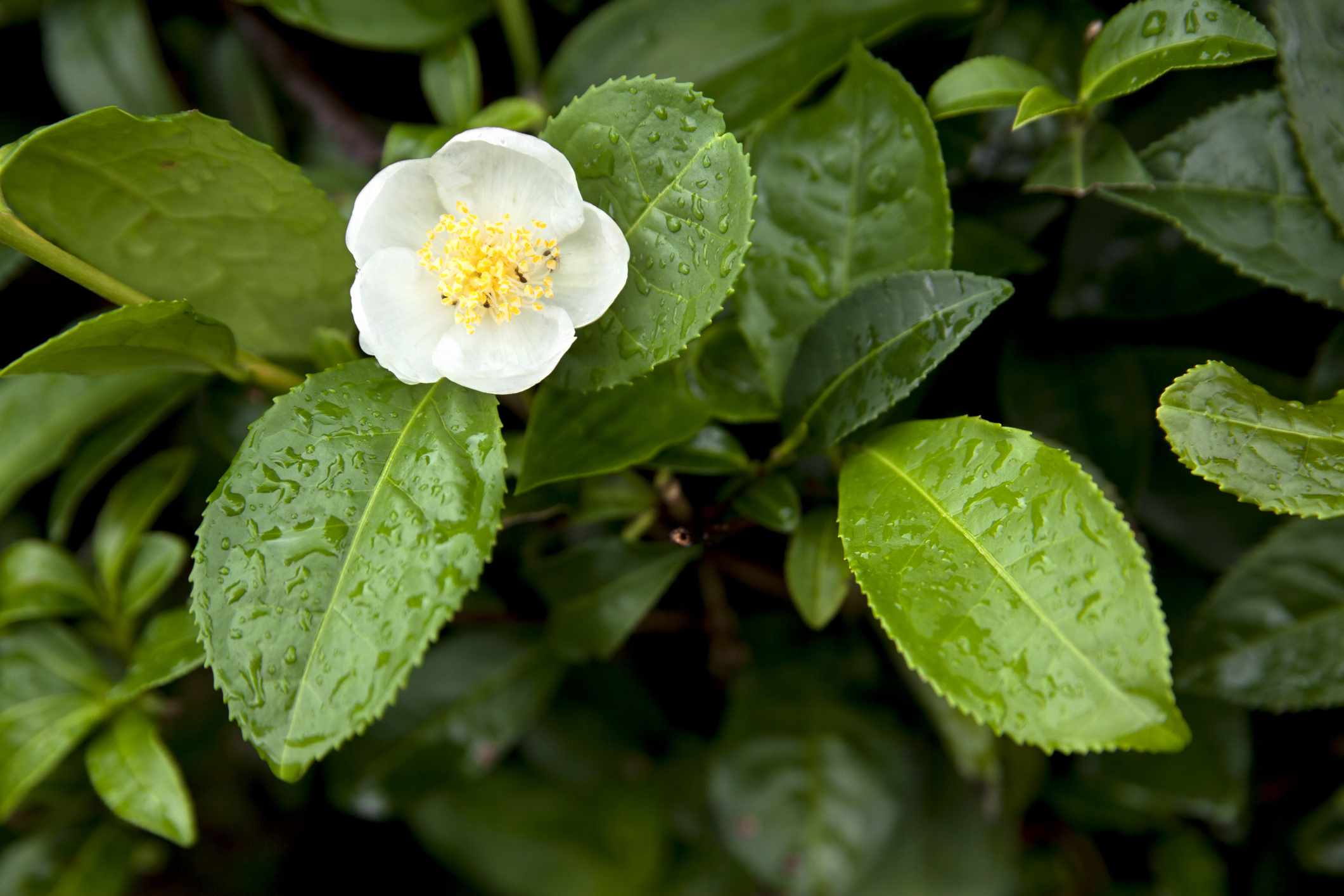
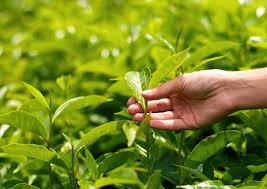
The tea we drink comes for the plant camellia sinensis, in the plant family Theaceae. There are two varieties of the tea plant, the Chinese variety Camellia sinensis, sinensis and Camellia sinensis assamica. The beautiful Camellia japonica grown as a garden shrub is also in the tea plant family.
The tea plant is indigenous to many regions of China, specifically South West China, Northern Burma/Myanmar, Japan, Taiwan and Camellia sinensis assamica grows in North East India. The Assam and Darjeeling regions of Northern India are famous for the incredible teas grown there. In modern times tea plants have been successfully cultivated and now grow in over 60 countries!
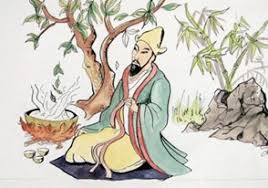
The origin of tea drinking is steeped in mystical folklore and legend, an ancient practice dating back to China circa 2700BCE and a famous legend of the Chinese Emperor Shen Nong. The Emperor was travelling through the countryside with his court and decided to rest in the shade of a tree, a fire was built and water put on to boil. Some leaves from the overhead tree drifted down into the water, the Emperor tasted the brew and claimed it delicious. He had been resting under the bows of an ancient tea plant, tea drinking was born!
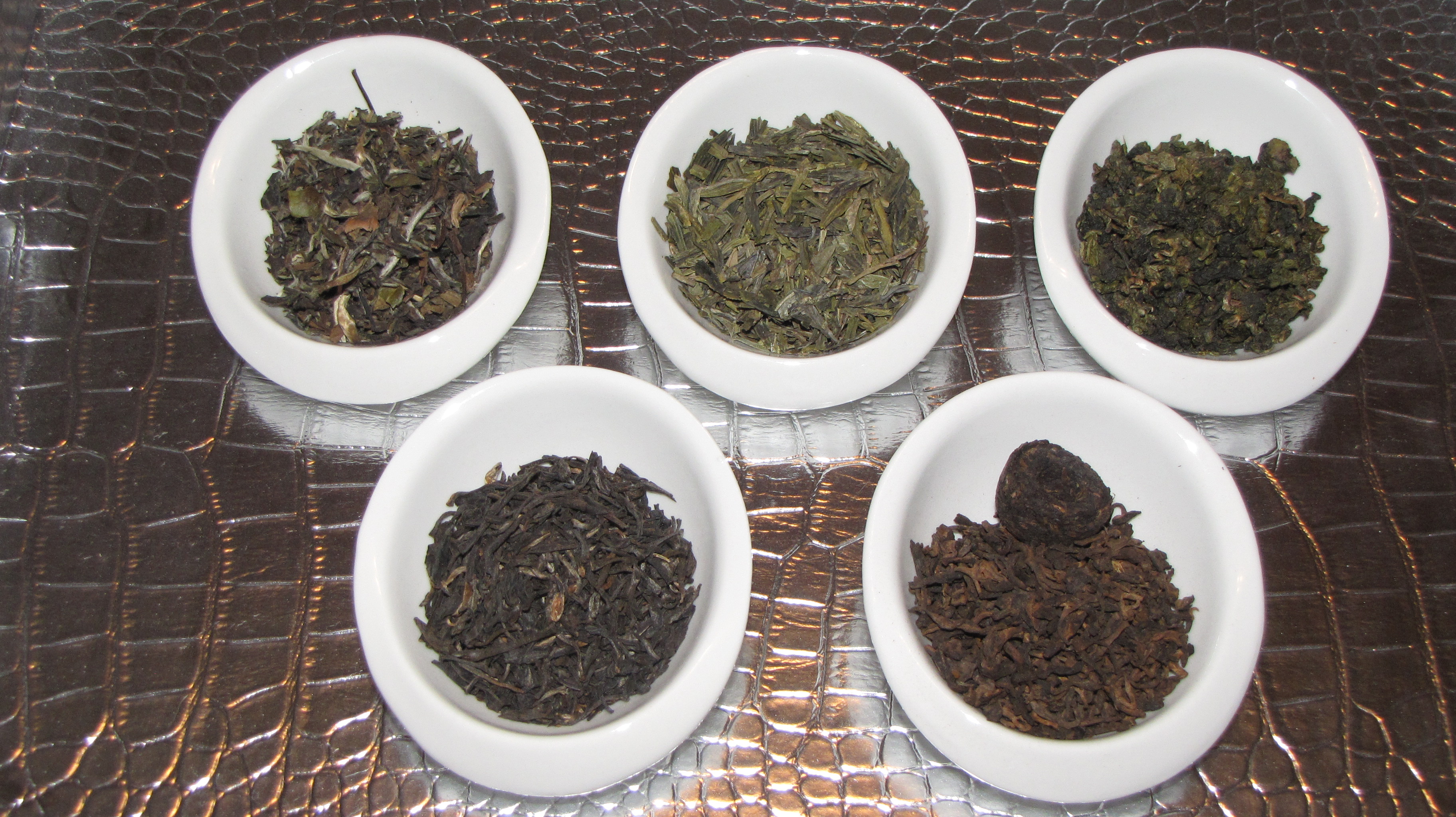
There are thousands of different teas, many never leaving their country of origin, the topic is vast with lots of books available on the subject. To narrow it down there are 5 common types of teas: Black or Red tea, Green, Oolong, White and the ancient Pu-erh a fermented tea. What is interesting is all these teas come from Camellia sinensis or its variety! Just a note if a brew does not contain camellia sinesis leaves it is not a true tea but a tisane.
Teas are grown in tea gardens and often the same family for generations has worked on the land passing the secrets of tea leaf processing from one generation to the next. Because how the leaves are handled after picking is what determines the type of tea being produced. A very complicated subject, generally speaking the type of tea being produced comes down to the level of oxidation the leaves receive.
This article just skims the surface of this intriguing subject! I have lots more information to share in coming articles!

 Heather's Tea Garden
One Comment Add yours